Showing posts with label Animals. Show all posts

Saturday, April 7, 2018

Why Dogs Like To Stick Their Heads Out Of Car Windows

Why Dogs Like To Stick Their Heads Out Of Car Windows
Experts estimate that dogs can catch a whiff of something that's one million times less concentrated than what humans can detect. With so much sniff power, it's hardly surprising that they stick their heads out out car windows. They could care less about the scenery. What they're after are smells. If you're driving through town at 30 miles an hour and your dog has his nose out the window, he knows where the bakery is, where the butcher shop is, which street leads to the local McDonald's, and maybe even what the mayor had for breakfast.

Dogs assume a characteristic expression when they put their faces into the wind: Their upper lips curl, their noses wrinkle, their eyes partly close, and their ears fold back. It looks as though they're experiencing a moment of ecstasy (which they probably are) but mainly they're concentrating. It's as though they're closing down all the rest of their senses to focus on this one.

There's a world of fascinating scents outside the car. This dog loves to hang her head out the window and sample every one of them. All dogs, from huge Great Danes to tiny terriers, have extraordinarily acute senses of smell. Their scenting ability is enhanced when they are moving quickly, which is one reason that they take advantage of open car windows.

Smells are so important to dogs that they have two separate systems for detecting them. One is the nose system. It consists of a huge amount of tissue called olfactory epithelium, which is loaded with scent receptors. This area takes up about 1/2 square inch in humans, but up to 20 square inches in some dog breeds. As air moves over the tissue, odor molecules settle in millions of scent receptors. The more air flow there is, the more scents dogs detect. A Dog's sense of smell is enhanced when they're moving quickly. In the evolutionary scheme of things, this probably made them better hunters because they could load up on scents while chasing prey.

Dogs have a second smelling system that's headquartered in their mouths. Near the upper incisors is a tiny duct that leads to a specialized gland called Jacobson's organ. It's designed to capture and interpret the most primitive types of smells.

Dogs depend on it to identify other dogs, choose a mate, and smell prey. When dogs scrunch up their faces in the wind, it looks like they're catching flies, but what they're really doing is catching scents.

Friday, March 30, 2018

Why Do Dogs Pant And Scratch

Why Do Dogs
It is common to observe that dogs pant and scratch, one would definitely wants to know why they do that. One cannot imagine a dog that does not pant and they have a charming way of doing it. This is what they do if they don't sniff or bark. When dogs scratch, it must be the itch and while it is the single cause of scratching which is common in both humans and dogs but there are many reasons why dogs itch.

Too much importance is not given to dog's panting since it is the most natural thing in the world. Whether one likes it or not but there are certain episodes of panting that may not give a good feeling. There are various reasons because of which dogs pant.

Dogs mostly pant to regulate temperature. They pant because they do not sweat and they cannot regulate their body temperature in any other way so panting it a natural way of cooling themselves.

Dogs also pant as a response to anxiety because of being a sensitive animal; they easily get disturbed by noises and most unnatural movements in their surroundings. Lung infection is also a sign of dog's panting because they also get respiratory diseases. A dog may also pant if it has anemia. It can't breathe smoothly it lacks enough red blood cells.

A dog scratches because of several reasons. It can be because of fleas and other parasites because they live off the dog's skin. It can be due to its immediate environment. If the dog loves to play under the sun in the grass, ground or sand, it can come home scratching excitedly. These are the causes of a great deal of itching for many dogs. Diet can also be one of the reason and sometimes pet dogs get skin rashes even with commercial dog food if it is not of good quality. Itchy surfaces can definitely provoke the dogs to scratch, some textile like rugs and mats cause itching to many dogs. Dogs scratch that part of their body which is wet after a bath. Allergy is also the cause because some dogs don't get adapted to their environment so they get allergic to the wind, carpet, sofa and other surfaces. Besides this, bacterial Infection is also the reason as most dogs are prone to it especially if they are not healthy.

Dogs won't pant and scratch if they are given good care like giving them bath with special dog shampoo, using cool water in bathing the dog and giving them fatty acid supplements. There is no way that a dog can be stopped from panting and scratching but it can be of course lessened.

Thursday, March 22, 2018

What You Need To Know About Therapy Dogs

What You Need To Know About Therapy Dogs
More and more therapist, doctors and mental health professionals are becoming aware of the wonderful therapeutic benefits of involving dogs in patient recovery. Dogs are used with brain injury patients, elderly, physically impaired as well as patients in hospitals and treatment centers. The very nature of a dog, its loyalty, unconditional love and its pure joy at seeing a friend really make them a wonderful asset to any therapy program.

Therapy that involves dogs, known as Animal-Assisted therapy, is used in many different settings in several different countries. The dogs can be involved in helping with fine motor control as the patients move their arms and fingers to pet and brush the dogs as part of their therapy process. Large muscle therapy is also completed when the patients take the dogs for walks or on outings to parks and recreational areas.

There is little hard scientific evidence as to how or why dog therapy works so well with many patients. Many therapists believe that the unconditional love of the dog helps patients gain self-confidence and self-esteem. There is another school of thought that caring for or spending time with a dog something that often brings patients back to their childhood or to a more positive time in their life. Regardless of exactly how or why dog therapy works so well with patients is not as important as the fact that it really does work.

Dogs can also be used as a friend for many patients. Elderly, shut in and isolated patients come to see visits from their therapist and their dog as a chance to interact with another living thing. Dogs are very non-judgmental and are always happy to see the patient, which is very positive for the patient both emotionally and socially.

Therapy dogs are not a specific breed or type of dog, nor do they have to a certain age or size. Usually therapy dogs are medium to large sized dogs but there are many small dogs that make excellent therapy dogs. Many organizations that use therapy dogs have volunteer owners and dogs come to the hospital or care facility and work in conjunction with the health care professionals and trained therapists on staff.

Therapy dogs must be very calm and well behaved. They should have no history of any kind of aggression or lack of obedience in new or unfamiliar settings. The dogs should be very well socialized and should not be prone to barking or whining as this can be disturbing to the clients as well as other patients in the facility.

Most therapists require that the therapy dogs do through special obedience and possibly other training. The dogs are taken in and out of the facility many times before they actually start working with the patients and clients. In addition both the owner and the facility will need to carry special insurance on the therapy dog to cover any possible events.

If you have a dog that loves people, is very calm and relaxed even in new situations, has lots of patience and is very obedient you may want to volunteer with a dog therapy service. The internet is a great place to start your search for agencies, or contact your local hospital or long-term care facility to find if dog therapy is being used in your area.

Wednesday, March 14, 2018

Types of Chihuahua Dogs

Types of Chihuahua Dogs
The word "Chihuahua" means an arid, sandy place and there are actually several types of Chihuahua dogs. Apple head Chihuahuas have a very round head, a small snout, and close-set eyes. Their heads can be shaped like deer or they can have apple heads. These fascinating animals originated in Chihuahua, Mexico and were objects of worship to the ancient Aztecs. It is believed that Chihuahuas may be the oldest breed of dog to exist in the American continents.

If you love Chihuahuas, of course you'll want to know more about them. Whichever type of Chihuahua dog you find, you owe it to yourself to think about taking one of these small devoted dogs home with you; you will find them to be entertaining and companionable pets for many years to come. The ones with deer heads have an elongated nose similar to Doberman Pinschers. The darling tan dog that starred in the Taco Bell commercial is representative of the most popular type of Chihuahua. Dont be fooled into paying more for a Chihuahua merely because of its description.

Long-Haired Chihuahuas can have flat or curly hair, and it is quite soft, with extra fluff around the tail and ears. The Chihuahua in part due to their portable size has become quite popular lately and their popularity continues to grow. In addition, once you buy one Chihuahua, you will want to get another! All Chihuahuas are genetically a toy breed, and breeding to produce the tiniest dog possible is a long-established custom. Standard Chihuahuas today weight six pounds or less, and are six to nine inches tall. A slighter larger breed of Chihuahua existed in the 2nd century BC, and was known as a symbol of the upper class.

If you live in an apartment, you couldn't do better than to get one of these tiny dogs. The American Kennel Club recognizes long-haired and short-haired types of Chihuahuas. Chihuahuas come in all sorts of colors, including chocolate, cream, silver, blue, black and fawn. Although the Chihuahua is known as the smallest of the dog breeds, but what many people don't realize is there are different Chihuahua types. Their tail is sometimes curved. It was probably bred with miniature Chinese dogs which the Spanish introduced to the New World. Its easy to understand why Chihuahuas are the 10th most popular dog in the United States, since they're such an intelligent dog, and fiercely protective of their owners.

Shorthaired companions may need a little extra warmth, sometimes burrowing under covers to maintain their body heat while asleep. They are wonderful companions and live a long life, in many cases getting to be 16 years or older. The terms "teacup" and "mini" when applied to Chihuahuas are merely commercial designations used to try to elicit high prices from the buyer. This little powerhouse has a huge heart so don't be fooled by its tiny size! The smooth coat of the short-haired type sheds very little. My friend has a Chihuahua that will growl whenever anyone has the audacity to uncover her.

Monday, March 5, 2018

Two Dogs, A Story Of Compassion And Animal Communication

Two Dogs, A Story Of Compassion And Animal Communication
As I looked out my window one morning I saw two dogs I did not recognize crossing the street, and one was limping badly. I remarked to a friend that they looked lost, and he replied, "Well. if they need you they know where to find you." (I have a reputation as a needy animal magnet.)

A half hour later I opened my front door to find both of them on my porch.

The black dog allowed me to examine his sore foot, but did not respond to any overtures of friendship. Dusty, tired, and thin, he appeared to be suffering from depression as well as being footsore. I received a very clear message that they were lost and could not find their way back home. I offered them both food and water. They both drank some, but the black dog did not touch the food even though I could see his ribs beginning to show. Whatever his sorrow, it went deep, and I could feel my heartstrings twang again and a surge of desire to keep him safe and loved came over me, but I fought it down and went back in the house.

Later I saw that they had camped on the lawn of an elderly couple who were kind to animals. I talked with the couple and they shared that they had called the city to pick the dogs up. I went into alarm state, I knew what happened to dogs at this city pound. Something inside me just could not let that happen, especially to the black dog. Something about him exerted a pull I could not resist and I began figuring out how to integrate both dogs into my crowded household without mayhem ensuing, until I could find their old home or another new one.

Against my better judgement, I signed the papers designating myself responsible for the care of the two dogs. The kindly elderly couple offered their house for the dogs to stay at in the meantime, and I would come over to feed and walk them.

That night, I made friends with the coyote dog, but none of my approaches to the black dog elicited anything more than depressed resignation to whatever I did for him. Any attempt to communicate with him only yielded strong emotions of sorrow and loss. I told him that I would do all that I could to find his old home, but he did not respond.

The next morning a description of two lost dogs matching the two found appeared in the paper. Eagerly I called the number, and a young woman answered. When I explained who I was and why I was calling she was practically incoherent with joy. Apparently her husband had left her six months ago. Her three-year-old son and she were inconsolable over the loss of the two dogs, she told me that she felt that the black dog was all she had left to rely on for comfort. Their little family was poor, but loved the dogs dearly. Her mother had told her that "no one ever read the lost dog ads, and she would probably never see them again."

I hurried over to the elderly couples house to let them know the good news. Together we awaited the arrival of the small family. The black dog was still curled up in a sorrowful heap on the sofa, when the sound of an old engine in desperate need of repair was heard and both dogs jerked to attention. The black dog rushed to the front door followed by the coyote dog, and when the young mother came through it she had to kneel in the doorway as both dogs did their absolute best to smother her with kisses. And as she knelt I watched the black dog lick away her tears of joy and felt my own well up in my eyes.

And then it happened. While the coyote dog and the young woman continued to hug by the front door, the black dog broke away from the joyful reunion, and for the first time EVER, approached me. The black dog leaned hard against my leg and stood there looking up at me, and then he said, "THANK YOU." The words were so loud and clear that I responded automatically, OUT LOUD, "Youre welcome." And then I thought, "Oh my god, the neighbors are going to think Im crazy." And maybe they already did because they never said a word about it. But I KNEW what I had heard.

And as I watched the small, but loving family drive away together, I thought that never in all my times of giving had I ever received so much joy from two small words.

Rose De Dan, 2004. All rights reserved.

This article is excerpted from Rose De Dans book "Tails of a Healer: Animals, Reiki and Shamanism. The events in this story took place in Worcester, Mass. several years before the author took any formal training in animal communication.

A video of this story, Two Dogs, a story of compassion and animal communication, as read by author Rose De Dan to her dog, Puma, is available on YouTube. Inspired by the Dalai Lama and his focus on compassionate living, the video lovingly portrays the miracles that can happen when you communicate from your heart.

Author's Bio: 

Rose De Dan, Wild Reiki and Shamanic Healing LLC, is a longtime Reiki Master Teacher, animal healer/communicator, shamanic practitioner and author of Tails of a Healer: Animals, Reiki & Shamanism" In practice since 1996 and in partnership with her animal companions she teaches Reiki and shamanic classes in Seattle, WA and offers private consultations for both humans and animals. For individual sessions and phone consultations visit her website or call (206) 933-7877.

Sunday, February 25, 2018

Spinal Conditions Affecting Dogs

Spinal Conditions Affecting Dogs
Spinal conditions in dogs can be hard to diagnose. Spinal problems can be related to a number of causes and the symptoms can be overlapping. Treatment of spinal problems is often expensive and many treatments fail at first, especially if the problem has been misdiagnosed. Spinal conditions can be age-related, due to injury, or the result of congenital spinal defects.

Degenerative Myelopathy typically occurs in mature dogs. It usually shows itself with rear leg weakness. The weakness may be in both legs or one side may be affected more than the other. DM features difficulty moving rather than the inability to control movement. This is a progressive condition that starts in the rear legs and moves forward, finally reaching the brain stem. There is usually no pain. Bladder and bowel function usually remain intact. The dog may drag his feet. DM is a genetic disease.

Intervertebral Disk Disease (IVDD) is a degenerative disease which may have a genetic-related predisposition to premature degeneration of the spinal elements which can lead to damage and injury. The spinal disk becomes less flexible and sooner or later breaks down. This compresses and inflames the spinal cord and its membranes and nerve roots.

Wobblers Syndrome can occur in multiple forms but all of them feature a misalignment of the cervical vertebrae (the neck vertebrae). The symptoms include an unsteady or wobbly gait. The two typical clinical forms of Wobblers are found in middle-aged to elderly dogs and in very young dogs. Dobermans are inclined to get the form for older dogs; Great Danes are likely to get the form for juveniles.

Lumbosacral Disease describes disk problems with the lumbosacral space along the spine. It can include misalignment or disk degeneration.

Spondylosis Deformans usually occurs in middle-aged or elderly dogs. It is usually an age-related degenerative condition that features vertebral instability and damage. It may be painful and cause problems in mobility.

Neoplasia refers to tumors that can develop anywhere along the spine. Depending on their size and position the tumors can have different affects on a dog. Some of them can be very serious. Osteosarcoma, fibrosarcoma, chondrosarcoma and hemangiosarcoma are the most common.

If your dog has trouble walking, exhibits pain when he walks, when shifting position, trying to rise or lie down, or seems to have limited mobility, it's a good idea to see your veterinarian. He may be able to diagnose a spinal problem before it becomes worse. Many therapies can help your dog and there are some holistic treatments that have proven successful. Acupuncture is said to help some dogs while joint supplements have helped other dogs. Some people have tried Chinese herbs with success. Even using an holistic diet has been beneficial to some owners and their dogs. Surgery is not the solution in every case. Even reducing your dog's weight can help in many cases.

Saturday, February 17, 2018

Simple Steps Of Importing Cats And Dogs Into Philippines

Simple Steps Of
One of the biggest challenges one has to face when traveling or migrating into the Philippines is importing their pets. The good thing about importing pets into the Philippines is that the country and its system love pets. The process is relatively easy and the documentary requirements are easy to procure. One just needs to know what documents are these and what agency of the Philippine government processes all of these. Here is a general guideline on how to import pets, particularly cats and dogs, into the Philippines.

Step 1: Secure a Health Certificate

One of the most important documentary requirements for importing pets into the Philippines is a health certificate. A health certificate is important because this attests or certifies that the cat or dog to be imported is healthy and is free of any disease. When getting a health certificate makes sure that the veterinarian that issues it is a duly licensed local veterinarian. It would be preferable if the veterinarian has experience in previously issuing a health certificate; however, professional experience is not a mandatory requirement, as long as the veterinary is duly licensed and has a clinic operating within the country of origin.

Step 2: Have the Health Certificate Certified

The health certificate procured by the importer must be certified. The certification is necessary because a stamp of certification proves that the health certificate is valid for all intents and purposes and that the clinic or veterinary that issues it has authority to issue it; in short it is a truthful document that proclaims all the health details needed to show that the cats and dogs to be imported is safe, healthy, and does not have any diseases. There are two (2) certification process needed to make the health certificate procured from the veterinarian is valid. First, is the certification made by the relevant foreign affairs office of the country of origin; next step is the certification to be made by the Philippine Consular Office in the country of origin. Bear in mind that the health certificate is generally effective only for thirty (30) days reckoned from the date when the vet issued it. The importer needs to complete all the needed certification before the thirty (30) days validity of the health certificate expires. Also, make note of the fact that there are certain charges for these types of certification; know beforehand how much is needed to be paid before getting the certifications.

Step 3: Secure an Import Permit

After getting the required certified health certificate for your cats or dogs it is now time to get the needed import permit from the Bureau of Animal Industry (BAI) located in the Philippines. The BAI is the governmental authority who can only issue the import permit needed to allow the entry of imported pets. When getting a permit, go to the Animal Health Division (AHD) of the BAI which is the department that administers the issuance of the import permit. Procuring an import permit also requires payment of certain fees. The applicant also needs to show a copy of the certified health permit. The importer may call the BAI directly to know the needed documentary requirements and fees to be paid needed to facilitate the processing and procurement of the needed import permit.

One of the questions asked about the procurement of import permit is that can it be applied by any person other than the importer, and the answer to this question is yes. An authorization letter is also needed to state that the applicant is the authorized representative of the importer. After the application process is completed, it will take several business days to know whether or not the import permit application has been rejected or approved.

Step 4: Presentation of Documents

The original certified health certificate and the import permit must be shown upon arrival of the pets into the airport in the Philippines. The airport authorities will then inspect if these documents are valid or not.

For more details about the import requirements the applicant or importer may reach out the BAI with the following details:

Address: Bureau of Animal Industry (BAI)
Visayas Avenue, Diliman, Quezon City
Philippines
Tel. No.: (+632) 926-6883
Website: http://www.bai.da.gov.ph

Importing your cats and dogs is an easy process with the help and assistance of Brealant Inc. who can do the job for you.

https://www.brealant.com/pet-importation-into-the-philippines.html

Author's Bio: 

For more details about the import requirements the applicant or importer may reach out the BAI with the following details:

Friday, February 9, 2018

Septic Bacterial Arthritis in Joints of Dogs

Septic Bacterial Arthritis
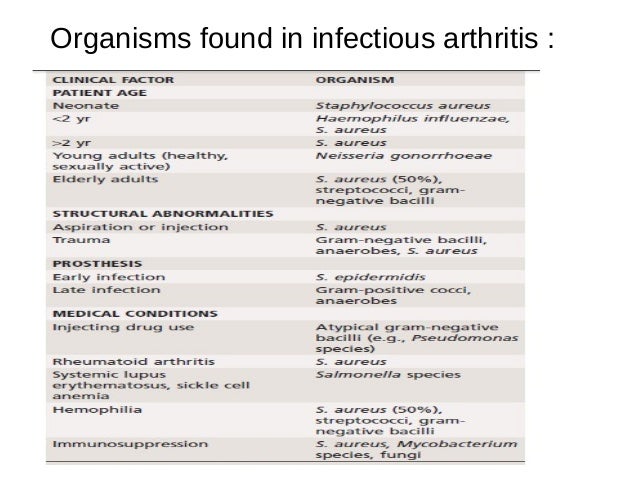
Septic Arthritis (in other terms as Bacterial Arthritis or Infectious Arthritis) is an infection in the fluid and tissues of joint cavity most commonly caused by bacteria. It is considered a dangerous form of acute arthritis in dogs because just like other bacterial infections, the bacterial can get into dog's bloodstream and carry an infecting organism into other parts of the body. Bacteria can cause infectious joint disease by tick-borne diseases such as Rocky Mountain spotted fever and by fungal infection. On Septic Arthritis, the primary bacterial sources, based on clinical search and studies, were associated with abscesses, bite wounds, enteritis, dermatitis, cystitis and/or endometritis after birth.

Septic arthritis normally only affects a single joint and the condition results in swelling, fever, heat, and pain in the joint. With septic arthritis, the dog is likely to stop eating and become depressed. Risk factors for septic arthritis are joint problems, rheumatoid arthritis, high infection risk, and a weak immune system. Septic arthritis is commonly spread hematogenously with predisposing factors being intravenous drug usage, in-dwelling catheters present as well as underlying immuno-compromised states. Bacteria are carried by the bloodstream from an infectious focus or are introduced by a skin lesion that penetrates the joint. Septic Arthritis most commonly occurred after surgeries of the stifle joints of dogs. The joint cavity is usually a sterile space, with synovial fluid and cellular matter including a few white blood cells. Some diagnosis was based on clinical signs, joint fluid analysis, radiography, microbiology and/or response to treatment. Chronic lameness was the most common problem at presentation. Analysis of joint fluid invariably revealed large number of nucleated cells, which consisted primarily of neutrophils. Bacterial septic arthritis may often be mild and manifest as chronic lameness. Analysis of joint fluid will detect an inflammatory arthropathy but the presence of toxic neutrophils should not be relied on as an indicator of sepsis. Culture of infected joint fluid is likely to be successful if antimicrobials are not given prior to collection and if the sample is inoculated into enrichment broth. Treatment should involve antimicrobial drugs, open-joint lavage and removal of joint prostheses if the infection is associated with previous surgery.

Septic arthritis might be difficult to diagnose due to nonspecific clinical signs and radiological findings in early stage of the disease. An early diagnosis is important for achieving favorable prognosis. Diagnosis of septic arthritis was confirmed by physical and orthopaedic examinations, evaluation of radiographs and synovial fluid analysis including leukocyte and neutrophil counts, cytological examination and bacterial culture. Bacteria is one of the most common causes of infective arthritis in dogs. However, bacterial arthritis in dogs can resemble many other arthropathies and attempts to achieve a definitive diagnosis by culture of the offending organism are not always successful.

The treatment of Septic Arthritis involves determining the type of microorganism involved and its antibiotic sensitivity. Antibiotics are usually administered for a minimum of a month and analgesics (pain relief medications) are necessary to combat pain and inflammation. Other major treatment involves antimicrobial drugs, while there many other cases the dog received antimicrobial drugs and with combination of surgical procedures such as joint lavage and sometimes removable of non-absorbent suture material, arthrodesis and amputation. The surgical treatment for septic arthritis (infectious arthritis) includes removal of joint fluid. To examine white blood cells and bacteria blood tests are performed.

Thursday, February 1, 2018

Miniature Pinscher Dogs - A Little Dog With A Big Attitude

Miniature Pinscher Dogs - A Little Dog With A Big Attitude
Many people who are shopping for a small dog do not want a dog that is a purse dog, or a dog that is carried around a pampered. Perhaps you are seeking a small dog because you have a small home, yet you want a dog with some spunk. If you are looking for a little dog with a big attitude, then a Miniature Pinscher might be the right kind of dog for you. As with any breed, however, you should know something about these dogs before you purchase one. No matter how cute they are, Miniature Pinschers are not for everyone! First, many people mistakenly assume that the Miniature Pinscher is a small version of a Doberman Pinscher. While these dogs do resemble Dobermans, they are not the same breed. These dogs are called Pinschers simply because of the way they hunt. In German pinscher means biter, and these little dogs will jump on and bite their prey when hunting. Of course, if the dogs are not well trained, you might just become their prey.

Which brings up another interesting point about the breed. Miniature Pinschers require disciplined training if they are going to be good pets. These dogs have an inherently large supply of energy and can be ferocious when provoked. Miniature Pinschers are best trained through firm, persistent, and calm training methods. The most important things to teach your new dog are how to come when called, how to walk on a leash, and how to stand still on a table, as they will need to do this at the vet's office. Part of what makes it so essential to train these dogs is the breed's temperament. The breed standard describes the temperament as having a fearless animation, complete self-possession, and spirited presence. This sounds quite engaging, but to those who do not know the dogs' temperament before purchasing one, this definition can lead to disaster.

See, many people purchase small dogs because they want a lap dog. The Miniature Pinscher is no lap dog. In fact, if you pamper these pooches, they will become domineering tyrants in your home. These dogs are amazing escape artists! They can get out of just about any confined space, so it is essential that the owner has a room in the home where the dog can be confined when not under supervision. This room should be free of small objects that the dog could choke on. These dogs should not be allowed outside without supervision, as they can easily escape from just about any fenced yard. Miniature Pinschers may seem like a good dog for children because of their small size, they cannot withstand the roughness that small children tend to dish out.

The breed is particularly hardy, but these dogs have tiny bones that can fracture if they are handled too roughly. They usually get along fine with older children, however. Beyond that, though, the dogs have few inherited psychical problems. The Miniature Pinscher's coat requires little care, and the dog should not be bathed too often as this can dry the skin.

Yes, Miniature Pinschers can be a handful to care for and train, but most owners will say that the joy they receive from their tiny dogs far outweighs any inconvenience that comes from the high energy levels. These dogs are natural comedians. If you want a companion that will constantly entertain you with his interactions with the world around him, then give serious consideration to owning a Miniature Pinscher. These dogs are incredibly curious and need plenty of activity in their lives. If you do not keep them active, they will find a way to stay active, often to the degradation of your favorite plant, socks, or piece of furniture. However, if you live an active life and have time for a fun-loving little dog, then a Miniature Pinscher is a good option for you!

Wednesday, January 24, 2018

Liver Shunts In Dogs - Why My Dog Went Undiagnosed For 3.5 Years And How You Can Spot It!

Liver Shunts In
My Italian Greyhound is truly the best friend (no, more like a child) of my husband and I. Her name is Wendy. She's absolutely a beautiful specimen of an Italian Greyhound - with her sleek body, her tucked tummy, her champion like posture and whimsical gallop. Wendy is now 4.5 years old and her life has been one long terrible journey.

When we first adopted Wendy - she was a tiny fawn puppy with large black eyes. You couldn't even tell if she was looking at us because her pupils and eye color had not developed yet. She was very fuzzy for an Italian Greyhound puppy. She had remnant milk breath and wagged her tail in play.

Unfortunately, a few weeks after we adopted her, she threw up. It was a small projectile like vomit while my husband was holding her. We did not think anything of it because puppies will throw up sometimes. She was on a strictly "puppy" food diet, her stools were normal and her urine was normal. She was eating and drinking normally and behaving normally.

Approximately a month later, things started to change with Wendy. She became less active. She laid down all the time. She didn't want to engage in typical "puppy" play - or if she did, she didn't last more than a few minutes before she wanted to lay down. We didn't know any better and thought maybe she was just a "quiet" puppy or had more of a "serious" temperament than our other Italian Greyhound.

We soon began to notice that she was not eating as much. It was time to go to the vet. The vet told us that her weight was fine and she looked fine. We told the vet that her appetite had greatly decreased, but he told us to give her some chicken soup and rice. We tried, and she did eat some of it, but within a day she stopped eating. We took her back and the vet told us to just keep trying. We tried for another night and she refused to eat. At this point she also stopped ALL physical activity. She didn't get up! She didn't walk, she didn't do anything. She just was looking around her while she was laying down.

We brought her back to the vet again, this time my husband was furious. The vets' office had at least 5 vets working in it. He demanded to see a vet and NOT the same one who had been treating Wendy. He told the new vet Wendy's history and he demanded that something be done about her quickly deteriorating condition. The vet told my husband he thought she had a food allergy and prescribed Hill's C/D. Well, luckily - this did help her come back to life. Later, I learned that Hill's C/D is a low protein food and it was the high protein in her puppy food that was killing Wendy.

Wendy did fine on this food. I kept bringing her to the vet at least once a month for colds, fevers and strange behavior. She constantly urinated all over the place. She never had a good appetite and never drank a lot. She was still a "quiet" dog, but she grew older and we moved to a different town. She became an adult and we took her off of the Hill's C/D. She immediately started to develop crystals in her urine. Italian Greyhounds do not like to urinate outdoors, so we always made it a point to use pee pads in a basement or garage area. Fortunately, as a youngster, Wendy didn't always quite make it to the pad and I was able to see the crystals on the floor!!!

I took her to the vet specifically to address the crystals in her urine. The vet ran some blood tests and told me that her BUN count was a little low (and maybe her creatin too - I can't quite remember the creatin reading). I researched this on the net (which was still developing at the time) and found information about liver shunts. Liver shunts are often congenital defects that occur in puppies/dogs and these affected dogs typically have low BUN, low creatin and ammonium crystals in their urine! I brought it up to the vet - she said "no" and "that's not it". She told us it was just the food allergy that our earlier vets had diagnosed. I truly believed my vet - SHE was the EXPERT. I completely put the idea of a liver shunt OUT OF MY MIND.

Every time I brought Wendy to the vet, I kept asking each vet if they thought Wendy was too skinny. They all told me that she was just petite and that she looked normal. Again, I had instinctual doubts but believed the EXPERTS.

If I had only known then what I know now. After 3.5 years of going through hell bringing Wendy to tons of vets and ER vets - I finally found an ER vet who actually took the time to listen to Wendy's full history and my concerns. He said the magic words "I think she might have a liver shunt, you should get a bile acid test done on her".

Here are the symptoms of liver shunts:

1. Poor Doer: A puppy/dog that is always getting sick. Because liver shunts cause toxicity in the blood because the dog is not having its blood filtered by the liver. This causes various illnesses to occur often.

2. UTIs: A puppy/dog that has frequent urinary tract infections or looks like it is having a urinary tract infection due to having many accidents all over the house, isn't able to be housebroken or urinating small amounts.

3. BAD ODOR: A puppy/dog that has bad mouth odor and/or bad urine odor. Often, the urine is also a darker color yellow instead of the "barely" yellow of normal healthy urine. (Note: Puppy and young dogs should have good breath. Bad breath is a RED FLAG that something isn't right)

4. Head Pressing: Dogs with liver shunts don't filter their blood which results in ammonia build up in the blood. Ammonia toxicity causes their heads to feel funny - so they rub their heads a lot.

5. CRYSTALS IN URINE: This is from the excess ammonia in their system. Any dog with crystals in the urine should have a bile acid test.

6. Complete Blood Count (CBC): This test is easily given in the vet's office. Liver shunt dogs often have a lower than normal BUN and Creatin count.

7. Depression: Liver shunt dogs are not very active or they may be active for very short periods of time. They are known as "quiet" puppies or "quiet" dogs. A "quiet" puppy usually isn't very normal and all "quiet" puppies should have a bile acid test to make sure they are okay.

8. Low Weight: Puppies with liver shunts look normal with a milk belly, etc. As they grow into dogs it is obvious they are too skinny. Their ribs show, their bones are prominent and they don't develop muscle mass. Not all liver shunt dogs have low weight though, but many do. They tend to have low weight because their liver cannot absorb and process nutrients to bring these liver shunt dogs to their normal weight.

9. Small: Dogs with liver shunts often do not grow as much as their siblings. They have smaller than normal livers and sometimes smaller than normal features. Wendy never developed the strong leg muscles that all greyhound breeds exhibit.

10. Anorexia: Many liver shunt puppies/dogs do not eat normally. They eat very little dog food. They may chow down on a newly introduced canned food or people food - but they invariably resort back to not eating very much. Eating food makes them not feel well because of the higher toxicity they have after a meal - so they tend to shun food.

11. Breed: Any breed can have a liver shunt, but Yorkshire Terriers are famous for having them.

Here is my advice to anyone who has a dog with these symptoms:

FORCE YOUR VET TO DO A BILE ACID TEST IF YOU SUSPECT A LIVER SHUNT AND/OR YOUR DOG IS EXHIBITING SOME OF THE ABOVE SYMPTOMS!!!! Don't take "no" for an answer. Tell them you want to MAKE SURE and cover all of your bases. A bile acid test is about $100.00 and can save your dog's life.

Once your dog has been diagnosed with a liver shunt, you can then begin the process of determining treatment. In the meantime, ask the vet for Lactulose which may cause diarrhea at first but will immediately help to greatly detoxify your dog. Also, immediately put your dog on Hill's L/D diet which is low protein. Do not give your dog any people food that has protein! Protein promotes toxicity in liver shunt dogs.

There are several treatment options. You may want to have a scintigraphy done to find out if the shunt is intrahepatic or extrahepatic. Usually the liver shunt is extrahepatic (outside the liver) which is easily operable. Intrahepatic shunts (inside the liver) are much more difficult to operate on and are usually found in larger breed dogs. Your vet can recommend whether to operate or not. Usually, it is recommended to medically manage your dog rather than operate with intrahepatic shunts.

Surgery: One of the best and cheapest places to have the surgery performed is at the University of Tennessee at Knoxville, TN. And I do mean the BEST and the cheapest. They specialize in liver shunt surgery. I wouldn't have trusted Wendy to any other surgeon for treatment. In addition, UTK utilizes a surgical method for extrahepatic shunts that cannot be surpassed by mere ligation.

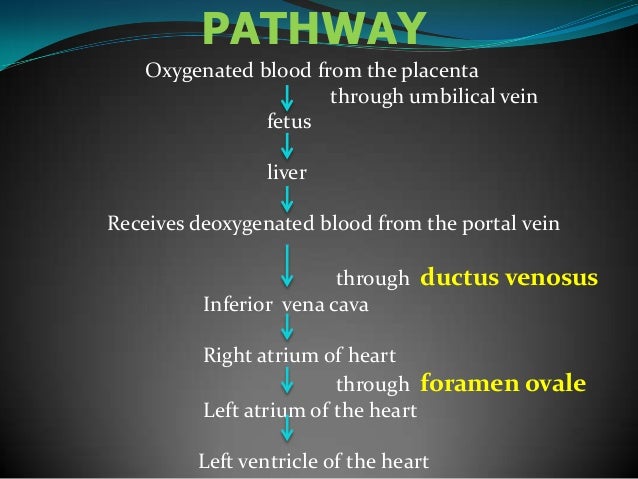
Puppies in in the uterous of their momma dog get nutrients from momma through a portal vein. At birth, this vein is supposed to close up. In liver shunt dogs, it doesn't close up. Instead, this portal vein acts as a "bypass" and most of the blood bypasses the liver. The liver is what cleans the blood. The liver also performs thousands of other vital functions!!! 94% of Wendy's blood bypassed her liver!!!

The classical surgical method has been to ligate the portal vein (close it off, shut it down, get rid of it....). Unfortunately, the ligation method can throw the body into shock and kill the dog because there is a halt to the circulatory system! UTK developed a much better and much safer method. A metal ring is coated with a substance that expands upon contact with moisture. It expands SLOWLY (it takes a month or so for it to fully expand). This ring, called an ameroid constrictor, is placed AROUND the portal vein. The ameroid constrictor closes slowly over time until the vein is closed. This not only helps the body from going into shock, but it also helps to prevent infection that is caused by ligation! The liver is able to slowly accept more and more blood as the constrictor does its job. There is no shock to the liver or the circulatory system.

I HIGHLY recommend the surgery with an ameroid constrictor - you can research all of this on the net to make your decision. The UTK program includes a scinitigraphy to locate the shunt, surgery, hospital stay, AND A BIOPSY OF THE LIVER for about $1,600 (2007). They do a great job!

What to Expect Post Op: Your dog will be in some pain for a few days after the surgery. Fortunately, there is not a lot of pain because the only cutting involved is the skin on the belly and for the biopsy. There is usually no cutting done for placing the ameroid constrictor.

Over the next 4 months, you will notice the following: weight gain, muscle development, loss of puppy fur (if your dog retained its puppy fur), improvement in general appearance (shinier), LOTS more ENERGY and no more head rubbing.

At 4 months, you will need to redo the bile acid test to check on how the ameroid constrictor is operating. Wendy had 0s on her follow up bile acid test!!! After 4 months, if the bile acid test comes back normal, you can put your dog back on regular food!!!!

I can't tell you how glad I was that I was able to have Wendy surgically corrected.

Tuesday, January 16, 2018

How To Treat Cushings Disease in Dogs

How To Treat Cushings Disease in Dogs
Cushings Disease, also called hyperadrenocorticism, is relatively common in older dogs. Dogs with Cushings Disease produce too much of a natural hormone called cortisol, producing symptoms such as excessive drinking and urinating, a distended, swaying belly, hair loss and a sparse hair coat, possibly an increased appetite, and frequent panting.

Dogs with Cushings Disease may have been tested for other causes of increased drinking, including diabetes, kidney and liver disease, where all tests have come back negative. This is another sign of Cushings Disease.

The disease is an overproduction of a hormone (cortisol) which produces the signs of excessive drinking and urinating. The most common cause is due to a tumor on the pituitary gland (a gland at the base of the brain). A small percentage of cases are caused by a tumor on the adrenal gland (a gland in the kidneys). In some cases, dogs can show all these signs by being on steroids, such as prednisone. In this case, the treatment is to wean your dog off the drug.

To begin with, as always, have your dog correctly diagnosed take him to your Vet. If he has some of the signs of Cushings (excessive drinking and urination) then it is first important to rule out other diseases. Your Vet will check for diabetes, kidney disease, and liver disease. A general blood screen will be suggestive of Cushings Disease. At this time they may recommend further screening tests and discuss treatment.

Treatments that your Vet may suggest might include drug therapy with trilostane or mitotane. Other conventional treatment might include radiation therapy or in some cases, adrenalectomy.

There are natural alternatives that can be used in conjunction with the conventional options. In this article, I offer several that you can try that may help.

A possibly effective natural solution is to try antioxidants. In Cushings Disease, the cells are more prone to injury from the high cortisol levels. The three most effective antioxidants are Vitamin E, Vitamin C and Selenium. These are best given in combination: give 100IU of Vitamin E, 100mg of Vitamin C and 20 ug if Selenium per 10 lbs of body weight daily.

Another natural solution is to try the herb Ginkgo Biloba. It has been shown to reduce cortisol production, similar to anipryl (see below).

High cortisol levels will make your pet feel anxious. A herbal solution to reduce anxiety is to try Valerian. The dog dose is 1 drop per lb of body weight twice daily.

When it comes to conventional solutions, try Anipryl. This is a newer, safe medication to treat the disease, available from your Veterinarian. It must be given daily, and can be quite costly to treat a large dog. It works directly on the pituitary gland helping to decrease cortisol production.

If you find these remedies useful, I guarantee that you will find the other remedies in my book and home study course, Veterinary Secrets Revealed, just as practical. If you use only a few of the remedies I offer, you will see how easy it is to save money at your Vet.

These remedies work - I use them every day in practice.

Best wishes...

Monday, January 8, 2018

How to Gain Your Dog's Respect

How to Gain
When dealing with man's best friend the first thing you will need to do is to gain the dog's respect. The only real way to go about this is to become your dogs' pack leader. Whether you have one dog or twenty dogs the fact remains the same. You MUST become the pack leader. If your dog thinks its his pack you're in for a bumpy ride! On the other hand if you establish your dominance your dogs will not question your position as pack leader making your life easier and your dog's more fulfilling.

What we are trying to do is to provide our dogs with calm-assertive leadership. The best way to establish yourself as the pack leader and to practice calm-assertive leadership is to go for walks with your dogs. You should walk your dog every day, time permitting. Train the dog to walk at your heal and to only wander off if given the OK. One way to get your dog to walk at your heal is to use a short leash method. This way you keep the dog close to your hip, and when he tries to take the lead or wander off you can correct immediately. To correct your dog you need only to pull the leash in the desired direction and say "no", or otherwise indicate your disapproval. With daily practice and proper correction you will see a significant improvement in your dog's behavior, not just on walks but in all areas.

It is important that you understand your dog's thought process if you want him or her to understand how you want them to behave. One reason understanding your dog's thinking is so important is so that you can identify the correct times to reward and correct your dog during training. Many people train dogs with treats, and treats can be a helpful aid during training. Always remember that rewards and corrections should be given immediately after the behavior so that the dog can associate the two events. Dogs aren't people and they don't think like us. Remember this next time you are yelling at your dog and the dog is just staring back blankly, or cowering away from you.

Most dog behavioral problems are caused by the dog just not getting enough exercise. Walking your dog is a good way to improve behavior by helping the dog rid himself of that excess energy that can build up. If your dog does not get enough exercise you may see a change in personality. Dogs who are cooped up all day and never get tend to become aggressive. This is a result of nervous energy. You must find a way for your dog to get rid of this. Try finding a place where your dog can run. If you have a big yard this is easy, but if not you may have to find more creative ways. Try finding a nature trail where you can let your dog run, or maybe a street with a good sidewalk where you can run or rollerblade with the dog.

Being a leader to your dogs is the single most important and powerful method you can use to gain control over your dogs. Leadership is much more important than actual training. If you are the pack leader the your dogs will respect you and naturally defer to your authority!

Sunday, December 31, 2017

Facts You Should Know About a Female Dog's Breeding Cycle

Facts You Should Know About a Female Dog's Breeding Cycle
Many dog owners, who are not involved in dog breeding, but own female dogs that have not been spayed, are unsure about a number of features of the animal's season.. They are also not sure when they can expect their pet to come on heat again. If they intend having the animal mated, many do not know which day of the heat is the most suitable for mating.

Some time ago I published and edited a dog magazine. It had a question and answers section and readers were invited to send in questions. Here are some of the questions in connection with a female dog's season most often asked by readers, together with the answers.

Question: My young female dog is now 6 months old. When can I expect her to come into season?

Answer: A female dog usually comes into season firsts when she is 7 to 11 months, but there are wide variations in this period. It quite often happens that the dog only has her first season when she is fourteen months. There have also been recorded instances of a female dog only having her first season at the age of two.

Question: How long can I expect the period of heat to last?

Answer: in most instances the season last about three weeks, but in some cases it can be longer.

Question: If I intend having my animal mated to a suitable dog, how old should she be?

Answer: It is best to wait until she is mature before thinking of having her mated. 20 months is the minimum age you should consider.

Question: If I want to have my dog mated at what stage of her heat can I tell when it is the best time to make sure that she's pregnant?

Answer The best time for mating is generally considered to be 10 - 14 days after she first starts showing signs of a red discharge. But there is a wide variation with different animals. Some animals have been mated as early as the fourth day of the season with successful results. Cases have been known when the female dog has only been ready to be mated on the nineteenth day.

Question: If I am not sure on which day my dog started coming on heat, how can I tell which day to have her covered?

Answer: The most reliable indication of an animal being ready to be mated is by her behavior and when she is prepared to accept the male. There will be no mistaking her readiness to accept the male by the way she stands rigidly and lifts her tail to the side.

Question: I have a mixed breed male dog at my home and I don't want him to mate my pedigreed animal. At what stage should I make sure they are separated?

Answer: The scent of the female dog is usually attractive to a male dog after the first week of her season, but here again there can be a variation. Don't take a chance. Keep them separate after the first week until the middle of the 3rd. week. To be absolutely certain separate them as soon as she comes into season.

Question: If my dog is mated and there are no pups is it her fault or the males?

Answer: If this is your dog's first litter and there has been a proper mating to a dog known to have produced many litters before, the reason for no pups is probably due to some problem the female dog may have. But there is no hard and fast rule. It could be due to the sire having been over-used and being not as fertile as he was previously.

Question: After my animal has been mated, how soon can I tell if she is pregnant?

Answer: If the litter is going to be large there will be definite signs of swelling of the abdomen as early as the third week, but it could be as late as the fifth or sixth week. Also, at about the sixth week there an enlargement of the teats. During the last week of pregnancy, if there is going to be a large litter, there will be definite movement of the pups that can be observed.

You'll find a great deal of other useful information about dog breeding and also helpful advice about obedience training on the following website: http://www.freedogadvice.com

Saturday, December 23, 2017

Facts You Need To Know About German Shepherd Dogs

Facts You Need To Know About German Shepherd Dogs
For active families who are looking for a versatile pet, German shepherd dogs must be on top of your choices. They can be a house pet and at the same time they can also be a working dog as guard or police dog. It is known to all that German shepherd dogs are popular police dogs and rescuers. However, their gentle character is one of the reasons why they can be great pets to kids, too. With the right training, they can blend well with people in a household and even perform the duties of a guard dog at the same time.

This is quite contrary to the common impression that German shepherds are fierce dogs. The characters of a German shepherd dog would generally say that this breed is extremely intelligent, quick to learn, and loyal to his master. If you are well-versed about this breed, you can maximize this dogs potentials to your benefit. Choosing a German shepherd as your family pet may depend on the type of lifestyle that you live and your purpose of getting a pet. They need ample of daily exercise to release their energies. If they are not given enough time to exercise outdoors, they tend to be overexcited and restless.

Thus, you need to ensure that you have the time to accompany your pet outdoors. They need special attention for trainings and exercise that is why owners of this breed must be aware of their obligations. Otherwise, having this pet may just be a pain in the head. These important facts about German shepherds you have to know prior to owning one. Do not be an irresponsible owner because you might cause problems not only to your household but to other people as well. Training a German shepherd is not too complicated since their breed is basically easily trainable. They are quick learners and smart, so dont worry about their capacity to cope with the training.

However, you need to at least have enough knowledge in training this particular dog breed if you intend to handle the training yourself. Training must start while the dog is still young. If its too late, there is a greater tendency that German shepherd dogs will be difficult to handle. A Guide to German shepherds would often recommend that you need to implement a firm training on this breed. It is important that they learn proper behavior while they are young so that they can be easily handled when they mature. Like training any other dog breed, positive reinforcement through compliments and rewards are highly recommended for German shepherd dogs, too.

Having a healthy and well-trained dog could bring in a lot of joy and pride to you and your family. They are considered to be as one of the best dogs in the world to own. If you plan to own this type of breed, then stuff yourself with enough information on raising German shepherd dogs. It may not be too easy at first but as you dedicate more time and effort to raising this breed, it would be more rewarding.

Friday, December 15, 2017

Epulis - MouthOral Tumor in Dogs

Epulis - MouthOral
Epulis is the most common type of benign or non-cancerous tumor in dog's mouth. A benign tumor is one that does not spread to other parts of the body. However, an epulis can be "locally invasive," which means that it can grow into the tissues surrounding its initial location. This tumor of the periodontal ligament, which is the structure that holds the dog's tooth in place. Epulides are the most common benign oral tumors in dogs; cats rarely have benign oral tumors. These tumors occur in dogs of any age, but they are generally found in middle-age dogs over six years old.

Epulides have three types and are recognized, grouped by tissue origin. The first is Fibromatous Epulis, they are pedunculated (on a stalk or stem) and non-ulcerating (no interruptions on the outside of the growth). Fibromatous is the most common non-cancerous oral tumor of dogs. These firm, pink tumors arise from the gums. Even a non-cancerous, Fibromatous may become quite large and completely envelop one or more teeth. also may not be possible to tell whether an oral tumor is an epulis or one of the less common, malignant tumors that may occur in the mouth. These growths may become inflamed and ulcerated, causing pain on chewing. They are most common in dogs over 8 years of age.

Other types of Epulis are Ossifying Epulis and Acanthomatous Epulis. Ossifying Epulis includes fibruous tissue and also contains bone cells and these may transform into a cancerous tumors. Ossifying has a greater abundance of hard tissue, osteoid, bone and cementum than fibromatous epulides. Fibromatous and ossifying epulides are now considered to be peripheral odontogenic fibromas, while Acanthomatous epulis is now called canine peripheral ameloblastoma or canine acanthomatous ameloblastoma. Acanthomatous (also called Oral Adamantinoma) is a locally invasive, sometimes recurrent, tumor of the gums of dogs and sometimes cats. These routinely aggressively invade local tissues including bone and they generally do not metastasize, but due to their locally aggressive nature surgical excision must include a full 1-cm margin of clinically normal tissue to prevent recurrence.

An epulis is usually first noticed as a growth on the gum line of the dog's mouth. In rare cases, teeth may be moved from their normal position because of the growth of the epulis. Your pet is initially unaffected by the epulis. However, if the growth becomes large, it could bleed, cause problems with eating, or affect the teeth or jawbone. An epulis is treated by surgically removing it, including a broad margin around the growth. Sometimes, especially with larger tumors, teeth adjacent to the epulis have to be removed. In other cases, portions of the jawbone may need to be removed to cure the condition, for if a portion remains, it will often regrow. Radiation treatment is sometimes used in addition to or instead of surgery for treating large tumors. The prognosis is good if the entire epulis can be removed, so it's best to avoid delay of surgery that would allow the epulis to grow. After surgical removal, the prognosis can be very good depending on the type of epulis removed. A subtype of epulis called an "acanthomatous" epulis can cause more bone problems than the other types, and can be more difficult to completely remove.

Thursday, December 7, 2017

Dogs Playing Poker Beyond Art, Behind Coolidge

Dogs Playing Poker
C. M. Coolidge, known for his "poker playing dogs", was a brilliant man with innovative ideas and an entrepreneurial instinct about art. Born in a small town in upstate New York to Quaker parents, he didn't receive a formal college education, but did take some college business classes later in his life. By the time he was 18 or 19, he took a few lessons in portrait painting, along with a course in bookkeeping a few years later. His love for reading resulted in a solid self education. At the age of 19, he started doing cartoons for newspapers in surrounding neighborhoods. A few years later, while living in Rochester, NY, he wrote and illustrated a weekly newspaper column.

Coolidge loved people and was quite social. At around the age of 20 or 21, he was elected Superintendent for one of the local school districts. Later, he was elected Town Clerk. Around the same time, he became active in the Masonic Lodge. Coolidge had lofty plans for himself, although most of his pursuits didn't work out or were short-lived. When he was 27 or 28, he started the first bank in the town of Antwerp, NY. He worked there for a short time, and then became a druggist. That; however; did not hold his interest for long. And, a year later he founded his hometown's first newspaper. Unfortunately, that failed a short time later.

Between jobs and in his free time, he would draw cartoons for area newspapers and would do caricatures of people. One of his many elaborate projects was the writing of a comic opera concerning the elimination of mosquitoes. Interestingly, it was produced but made no real money. He also applied for a patent for collecting fares on street cars. Although, again, nothing became of it.

The one consistent endeavor he held onto was his love of comics and art. He began to do dog paintings around the turn of the century. Mainly, they were purchased by cigar companies and used as giveaways. Coolidge's big break came when the advertising firm Brown & Bigelow approached him to do a series of paintings that would be used on calendars and other memorabilia. That was in 1903. Around this time is when his infamous poker dog paintings got underway.

Over the next ten years, Coolidge created 16 paintings of dogs - seven that portrayed dogs playing pool. The other nine were dogs surrounding a poker table. By putting dogs in art, yet in a situation familiar to middle class Americans, he not only anthropomorphized them, but created an instant kitsch fad. It certainly helped the cigar and calendar businesses for which he worked. A few of his original dog paintings sold for US$2,000 to US$10,000 dollars - an astonishing amount for the time period.

For years his images of dogs playing poker while drinking, smoking, and basically getting into trouble graced bachelor pads, bars, and taverns around the country. The scenes always evoked feelings of something American and something modern. Recently, a pair of his poker dog paintings entitled A Bold Bluff and Waterloo, expected to go for US$30,000 to US$60,000, surprised the art world by selling for $590,00 for the pair.

More meaning for A Friend In Need:

A few theories about his art give more meaning than what initially meets the eye. One theory states that the painting A Friend In Need has great significance. "Coolidge's painting was used in the Second World War to boost the moral of Dutch citizens. The dog with the cigar being Churchill giving America help (on his left hand side), which goes unnoticed. Russia (the most left dog) tries to attract USA's attention, while Hitler (the dog with the pipe and the 'big ears' in front of the clock) watches anxiously."(1)

Poker enthusiast Jim McManus has stated, "[In] A Friend in Need, the blatant cheating refers back to the early nineteenth century, Mississippi riverboat days, when poker was mainly a series of opportunities to fleece the suckers."

A specialist for Sotheby's Auction House, Alison Cooney, says that people who dismiss the painting as simply "kitsch art" are missing the deeper meaning of his work. "It's a humorous, ironic take; she continues, a jab at middle-class America; another way of poking fun at ourselves."(2)

Another theory suggests that the dogs were all aspects of C.M. Coolidge himself. Known to his friends as "Cash", he loved a good bet and was something of a hustler.(3) He wore a hat and often held a cigar, just as his paintings of dogs did. Other sources hint that he looked like the bulldogs he painted.

In a recent tongue-in-cheek article by Steven J. Rolfes, he writes "In this iconic work, we see a masterly representation of the Last Supper, with Christ (on the left) sitting conveying His wisdom to His followers. We see Judas to His right, with the bag of silver coins at his pawside." He asserts that the painting A Friend in Need has deep arcane roots in a very secret society that even precedes the Illuminati called the "Prior of Dogbone."(4) This important insight is one that Coolidge himself would appreciate.

After his success with painting dogs, a new idea provided him a profitable income. He started the invention of "Comic Foregrounds", which are wooden life-size cartoon stand-ups with the face cut out so that one can place their head for funny photos. He completed hundreds of them, including the famous Man Riding a Donkey and Fat Man in a Bathing Suit. Some of these comic foregrounds had hand lettering at the bottom. He would often hire students to do them.

C.M. Coolidge was a bachelor for most of his life. When he was 64, he met Gertrude Kimmel, an art student who was doing some lettering work for him at the time. They were married in 1909 and had a daughter a year later.

A few years later, when Coolidge was about 70 years old, he fell and hurt his knee. According to an account written by his daughter Marcella Coolidge, he didn't visit a doctor and was lame the rest of his life.(5) He tried his hand at writing, but it didn't take off. Still, Coolidge remained in good spirits. His wife went to work and he was strong enough to do work around the house.

Coolidge's daughter has also said that his dog paintings were not taken seriously at home by herself or her mother. She said that she never liked them - that it was simply commercial. Furthermore, she relayed that they never had a dog, but that her dad was fond of them.(6) This is clear as seen in the widespread influence they had in his art.

Andy Warhol was influenced by Coolidge's work. Coolidge set a precedent for the weimaraner photos of William Wegman. Today, we find Coolidge's canine images on posters everywhere. If you have US$590,000 or more to spend, contact Doyle Auction House in New York to see when they will have another original Coolidge dog painting to auction.

Sources: 1. http://gaming.unlv.edu/gallery/a_friend_in_need.htm 2. Barry, Dan. "Artist's Fame Is Fleeting, but Dog Poker Is Forever" New York Times. 6/14/2002 3. http://www.tenbyten.net/luckydog.html 4. http://www.wittenburgdoor.com/archives/dogs.html 5. http://www.dogsplayingpoker.org 6. http://archives.stupidquestion.net/sq52500dogsplayingpoker.html

Wednesday, November 29, 2017

Dogs in Tibetan Buddhism

Dogs in Tibetan Buddhism
Among all the animals in the world, it is the faithful dog that evokes the most positive emotions in people. Being pack animals, dogs are known for their loyalty and allegiance to their masters. These animals can also prove to be faithful companions when times are tough. As such, there is a bond that grows between humans and dogs that expand into multitudes of cultures. This is what gives way to the symbolism of dogs in Tibetan Buddhism. In this mode of Buddhism, dogs rise far above being mere pets. Instead, they take on many components of religious symbolism. This is why the imagery of dogs in Tibetan Buddhism deserves a closer examination. Such an exploration will reveal much of the somewhat hidden symbolism these four legged creatures represent.

One of the common questions people will ponder is the notion of what does it mean to be a human being. The response commonly given in some circles of Tibetan Buddhism will be What is the meaning of being a dog? Such a riddle can definitely take people aback because it does raise a number of interesting philosophical and humanist points. In particular, it shows that the answer to what it is to be any type of living creature is not easy to arrive at. In an expansion of this symbolic koan, many Tibetan monks have taken to become breeders and caretakers of dogs. They will then integrate the care of the dogs into their daily spiritual practice. This allows them to look at the animals. From this, they can make comparisons between the animals and the humans who care for them. This opens the door to a deeper understanding of the human condition and human nature. Or at least that is the common plan.

However, to call the process in which monks will raise the dogs mere breeding would be to downplay the great effectiveness that they perform with their tasks. The process is more than just breeding the dogs and finding them a home. It is also about raising the dogs and being more in tune to the needs of the animals. Dogs, obviously, will communicate differently than humans will. As such, it becomes necessary for the Tibetan monks to pay close attention to the dogs body language, behavior, and actions. This enhances the ability to effectively train the dog can prove possible. It also enhances the potential to understand human behavior during this process.

By having to pay close attention to the dogs behavior and communications, the monks develop a sense of being in tune with the reactions of living beings. This makes them more aware of others and such skills can certainly enhance the potential to work, live, and co-exist with others. This can lead to a more harmonious life which can enhance the quality of human life to a great degree.

This is the end result of a lifetime of developing intuitive skills deriving from caring for their beloved dogs. Such skills are integrated into many other areas and aspects of life and this is certainly a good thing. So, you could consider the dog breeding of the Tibetan monks to be a gateway into their soul.

In many ways, there is an integration of all living beings since they must be harmonious and co-exist. If not then it would be next to impossible for anyone to live a life that was worth living. Rather, they would be living in conflict with others which are certainly not a means that is helpful. The concept of breeding dogs in Tibetan monasteries plays a large role in this regard.

Author's Bio: 

Sylvia Smelcer is the owner of e-commerce websites, including one selling prayer flags and one selling prayer beads. In her spare time she enjoys yoga and reading.

Tuesday, November 21, 2017

Dogs Feel Stress Too

Dogs Feel Stress Too
Many of us understand the impact stress has our lives. We work to keep that stress to a minimum, but it's an inevitable part of life. What most of us fail to realize, however, is how much the stress of our lives increases the stress on our pets.

What parts of our life will increase the stress of our companion pets? Here are a few examples:

Interpersonal Stress

Troubled Kids

Significant Loss (especially of a master)

Moves

Changes in the Home

Natural Disasters

These are all natural occurrences in life, but they can negatively impact our pets as well as us.

Knowing When Your Dog is Stressed

Many of the signs of extra stress in your dog may also be connected to other problems. Ignoring them could be hazardous for your pet. Here are a few of these signs to watch for:

Self Chewing - while most companion pets will chew a little as a form of cleaning, excessive chewing is indicative of high stress.

Destructive Behavior - While some dogs are naturally inclined to some destructive behavior, this would be in excess of what's normal for your companion pet.

Anxiety when separated from you.

Lack of appetite and refusal to open mouth.

Diarrhea or constipation.

Unusually passive behavior including keeping tail between the legs or avoiding eye contact.

The time to be concerned with these behaviors is when they become excessive or increased from what's normal. If you do see an increase, start evaluating the stress factors your companion may be experiencing.

Physical Effects

Just like humans, exposure to a highly stressful environments and situations can take a physiological toll on your dog. These can include:

Ulcers

Stress related diarrhea

Stomach Upset

Skin irritation

Helping Your Dog Deal with Stress

While we may just have to muscle through stress, we can often help our pets so they remain happy and healthy. Here are some tips on how:

Give your dog "happy" attention

Dogs have the ability to help us feel better when we're down due to their physical empathy. While this may help the master a little, if this is habitual it has a severe negative impact in the psychological wellbeing of the animal. The solution is to "fake" happiness when you're with them, much like you would with a toddler.

Board your dog

While in the process of changing your dog's environment, consider boarding them for a short time. While dogs are great at adapting to new environments, they don't deal well with the change process. Removing them from a chaotic environment will help reduce their stress.

Socialization will decrease stress.

Make use of a dog park or a doggie daycare several times a week to help ensure your pet is getting enough socialization.

Be sure to give your dog the help they need for coping with stressful times. This will help ensure a longer, happy life for both of you.

Monday, November 13, 2017

Can Dogs Get Heartburn Too

Can Dogs Get Heartburn Too
Your dog can get heartburn too, just like you can. It has the same causes as it does in humans, but the sad part is, your canine is unable to tell you just what is wrong.

Heartburn is cause by a a sphincter muscle located between the esophagus and the stomach. Certain foods and underlying medical conditions can soften or relax the lower esophageal sphincter so that it does not close all the way after food has passed through it to the stomach.

This causes stomach acid to come back through the sphincter leading to burning and irritation to the dog's esophagus.

What are the symptoms?

A canine with heartburn will exhibit signs and symptoms of vomiting, loss of appetite, and decreasing weight. Other symptoms include pain, drooling, and fever.

The risks for acid reflux include dogs who are obese and receiving poor nutrition. Younger dogs are more susceptible to heartburn than older dogs. Table food is not recommended. Food that is specifically formulated for your pet is what should be given.

In addition, portion sizes and how often your dog is fed are dependent upon your pet's age and size. Do not over feed as this will only exacerbate the acid reflux.

Treatment:

Your dog can be treated with over the counter medications such as zantac, pepcid AC, and reglan. Reglan works by increasing peristalsis to keep food traveling through the digestive tract, thus keeping the stomach emptied to prevent heartburn.

In cases where your canine has developed an ulcer, Carafate is the preferred treatment. Carafate will adhere to the ulcer area and act a protective patch.

You will need to consult with your veterinarian before giving these medications to your canine. Your vet can inform you of the correct dosages to administer.

Natural remedies:

A great natural remedy for canine acid indigestion is slippery elm bark and marshmallow herbs. These help to cool and soothe the throat. Small doses of Tumeric help to relieve acid indigestion. Take care not to give too much, as it can lead to liver damage.

Prevention:

Heartburn in dogs is preventable by making a few lifestyle changes. Avoid giving your dog a diet of rich foods, as they are more difficult to digest. Instead, switch to a rice based diet that is more easily digested. Be sure your dog get plenty of exercise to help keep the weight down. Increased weight is a contributor to heartburn.

Sunday, November 5, 2017

Can Dogs Catch a Bird Flu

Can Dogs Catch a Bird Flu
The recent outbreak of bird flu in Asia has raised concerns about having this disease transmitted even to our own pets. Since the flu virus has the ability of evolving into new strains, it has been generally feared that this pathogen may cause a pandemic by entering the system of canines, too. Can avian influenza be also acquired by domestic canines? If so, how do they get it and what can we do to prevent that from happening?

Bird flu comes from and lives in the guts of birds. This can transform itself into new strains when caught by humans or other animal species. Thus, they gradually develop into a new virus that can survive on their specific hosts. Human beings, however, can survive these viruses because their immune systems still can recognize these pathogens even if they have already evolved into some new form.

Recent reports have indicated that canines were also being infected by avian influenza or bird flu such as tigers, leopards and also dogs. This came as a surprise since dogs had been known to be able to withstand this virus in earlier studies. Some had guessed that this might be a new strain which has passed from humans, then into pigs, and ultimately into the dog. It has not been clearly shown as to how these animals got infected with the virus but other reports have shown that most of them had come into contact with some infected bird or their infected feces.

Some symptoms of it were frequent coughing, which is not dry, and a very thick discharge of nasal mucus. In its advanced stages, symptoms would include a very high fever, heavy breathing, and pneumonia. If you see any of these symptoms, consult your veterinarian immediately. To prevent your dog from acquiring this disease, you may consider keeping him inside your premises or restraining him on a leash.

This will keep him from coming into contact with infected birds and their feces. You may also consider abstaining from bird hunting with your dog as he may catch this from wild birds. There had been only very few instances of dogs acquiring the bird flu virus, and it is indeed very rare. But it will always be a wise decision to take preventive measures early on so as to avoid any chances, even the least possibility, of it getting into our pet dogs.